
Hardwood Species Guide
Choose the Right Hardwood Species
Explore Hardwood
Hardwood flooring guidance for every decision.
Compare hardwood types, installation choices, maintenance, and warranty basics.
Species, Grain + Future Flexibility
The species you choose affects the look today and the refinishing options later.
Every hardwood species has its own grain, color, hardness, character, and stain behavior. Royal helps homeowners compare the most common species, but for many customers who want long-term value and future color flexibility, the oak family is the best place to start.
Oak is the safest long-term choice
For many Midwest homes, red oak and white oak give the best balance of beauty, durability, future refinishing, and stain flexibility.
Species affects stain results
Some woods accept stain more predictably than others. Oak usually gives more color-change flexibility than maple, walnut, hickory, or exotic species.
Future sanding matters
Hardwood is a long-term floor. Choosing the right species today can make future sanding, staining, and refinishing easier later.
Royal helps compare in your home
We review lighting, cabinets, trim, stairs, existing floors, lifestyle, and color goals before helping you choose a species.
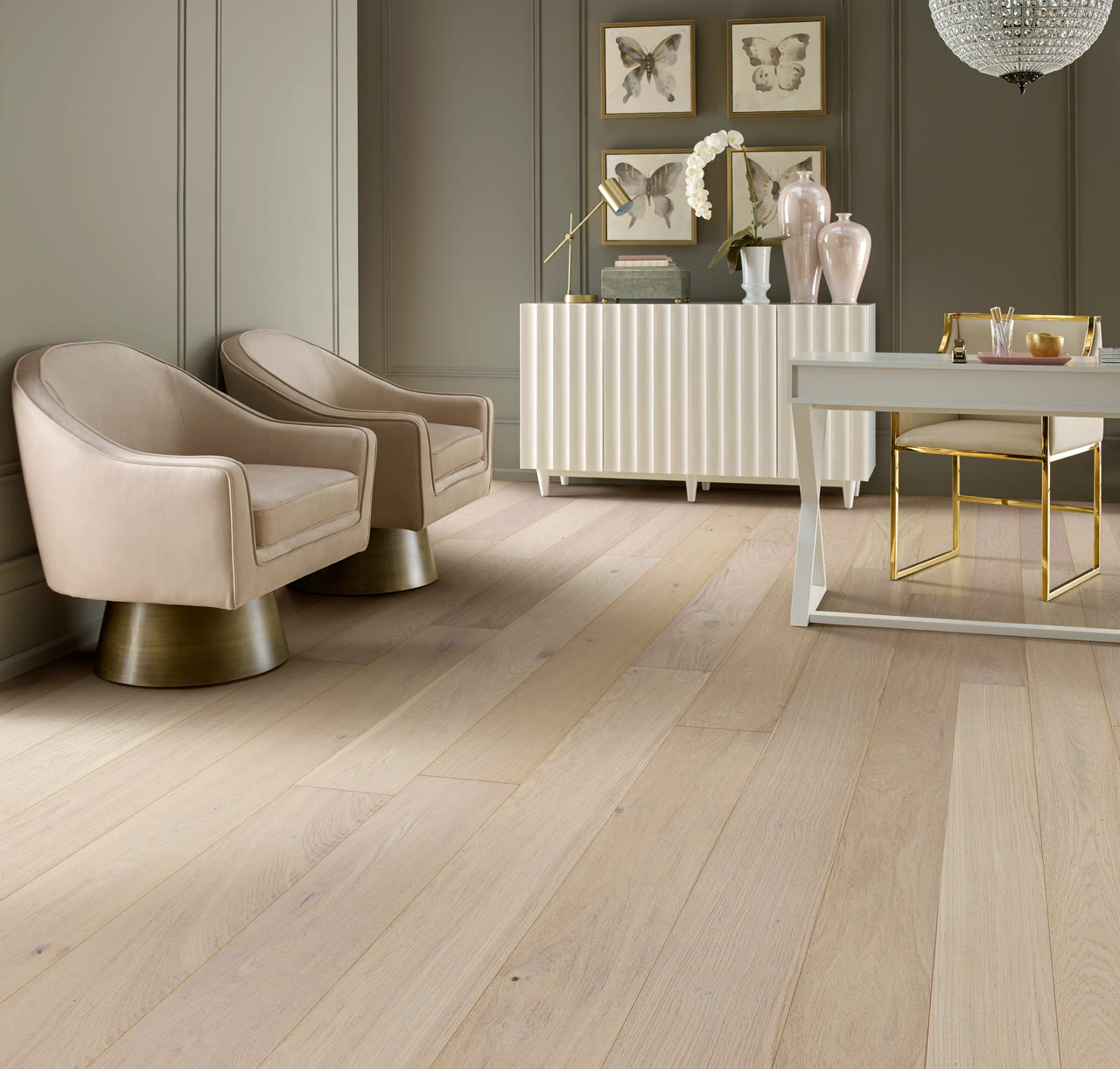
Best All-Around Family
Red oak and white oak are usually the strongest starting point.
If a customer wants a real hardwood floor with long-term flexibility, Royal usually starts the conversation with the oak family. Oak has a familiar hardwood grain, works with many home styles, and usually gives more options if the customer wants to refinish or change color in the future.
- Great balance of durability, beauty, and value
- More stain flexibility than many other species
- A practical choice for long-term Midwest homes
Classic Warm Hardwood
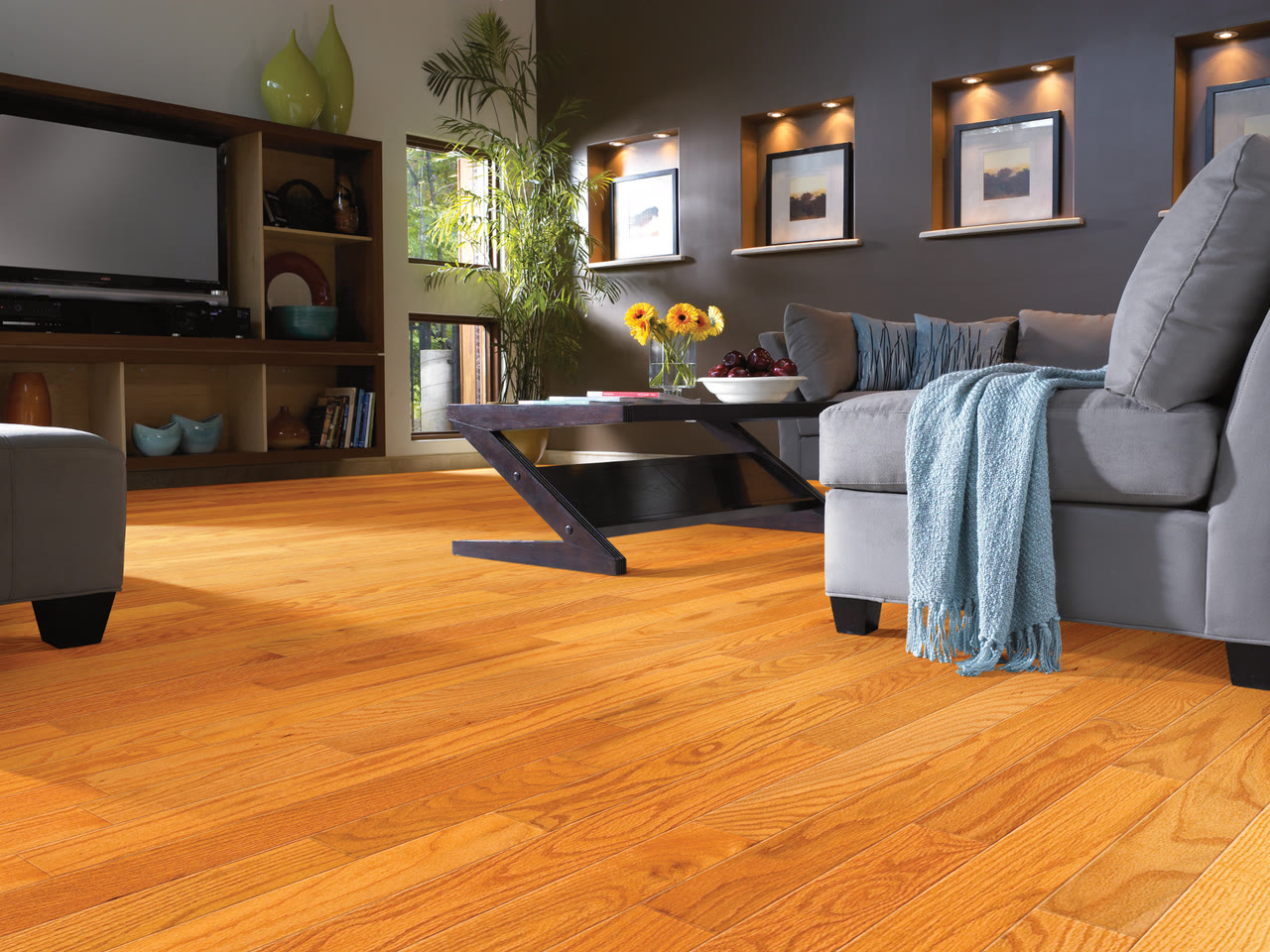
Red oak is flexible, familiar, and easy to live with.
Red oak has a warm, traditional hardwood character and a visible grain pattern that works in many homes. It is also one of the better species when the customer wants the option to sand, stain, and change color direction later.
- Traditional hardwood grain and warmth
- Usually stains more predictably than tight-grain species
- Strong choice for customers who may refinish later
Beautiful But More Specific
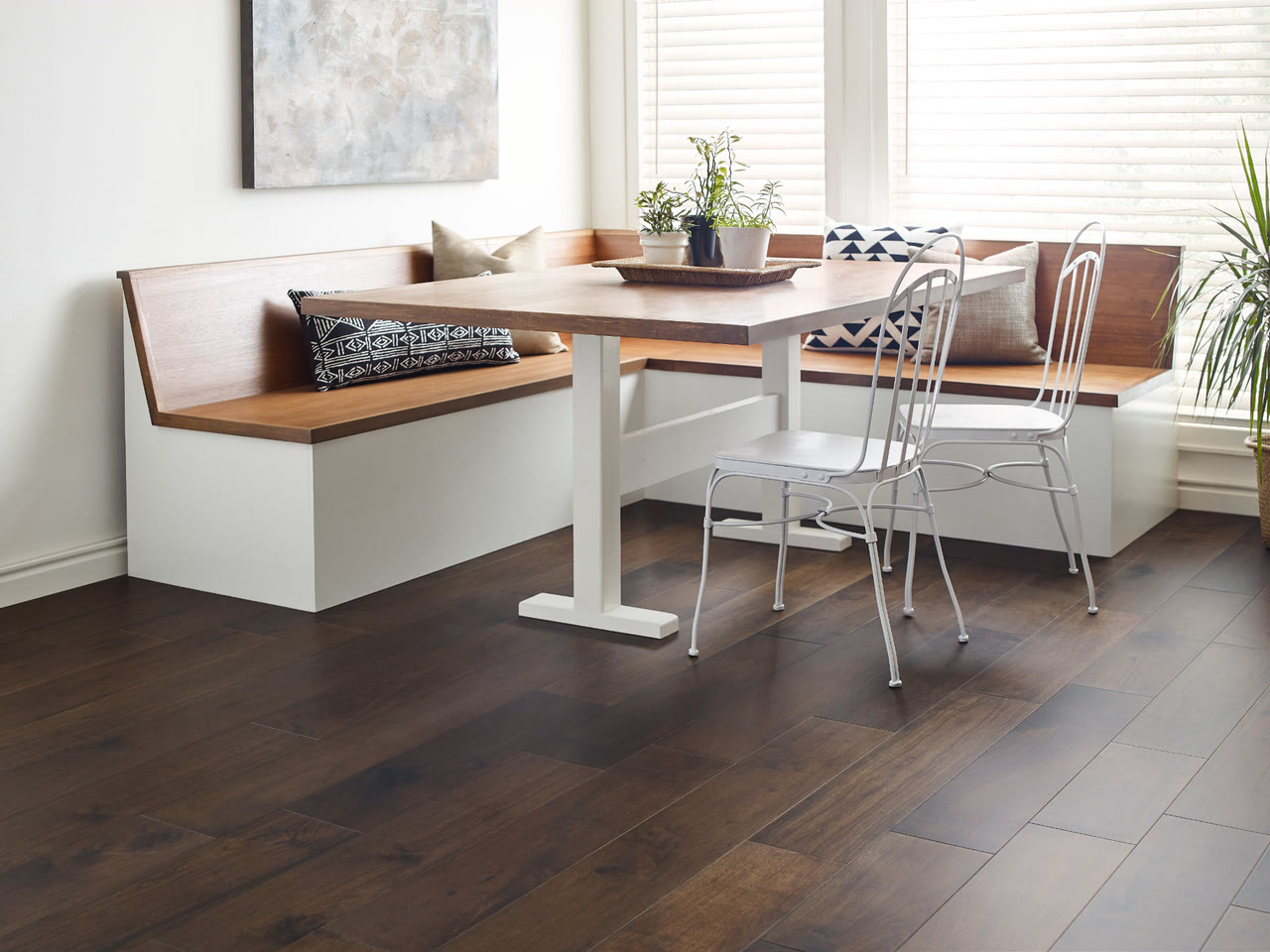
Maple, hickory, walnut, and exotic woods should be chosen for their natural look.
Other species can be beautiful, but they are not always the best choice for customers who expect easy future color changes. Maple can be harder to stain evenly, hickory has strong natural character, walnut is naturally dark, and exotic woods often have bold color that should be selected intentionally.
- Maple: clean look, but less stain flexibility than oak
- Walnut: rich natural color, but not meant to become oak
- Exotic species: dramatic look, but more specific long-term style
Not True Hardwood
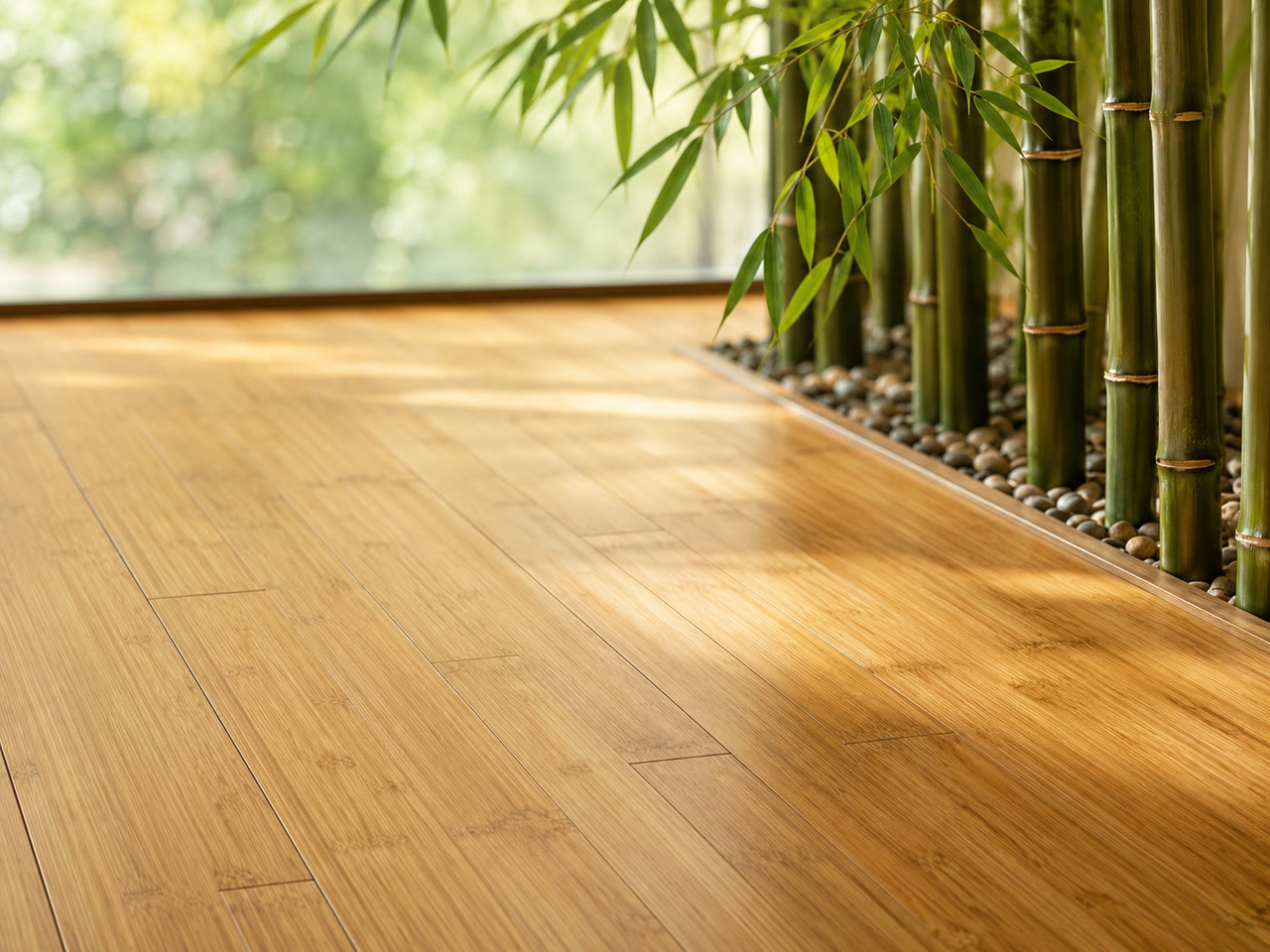
Why Royal does not recommend bamboo for most Midwest homes.
Bamboo is often shown near hardwood, but it is not a true hardwood species. It is a grass-based flooring product, and Royal does not currently carry it. In the Midwest, dry heated winters and humid summers can make moisture control more difficult, so Royal generally recommends traditional hardwood species instead.
- Not a true hardwood species
- More sensitive to seasonal humidity swings depending on product and home conditions
- Royal prefers oak-family hardwood for long-term serviceability
Common Hardwood Species
Compare the species homeowners ask about most.
Royal gives every species a fair explanation, but we also help customers understand which woods offer the most practical long-term flexibility. If you want a floor that can be recolored in the future, oak is usually the strongest starting point.
White Oak
A top choice for clean, modern hardwood floors. White oak usually has a calmer tone than red oak and works well with natural, neutral, and custom stain directions.
Red Oak
A classic hardwood species with warm character and strong grain. Red oak is practical, familiar, and usually one of the best choices for future stain flexibility.
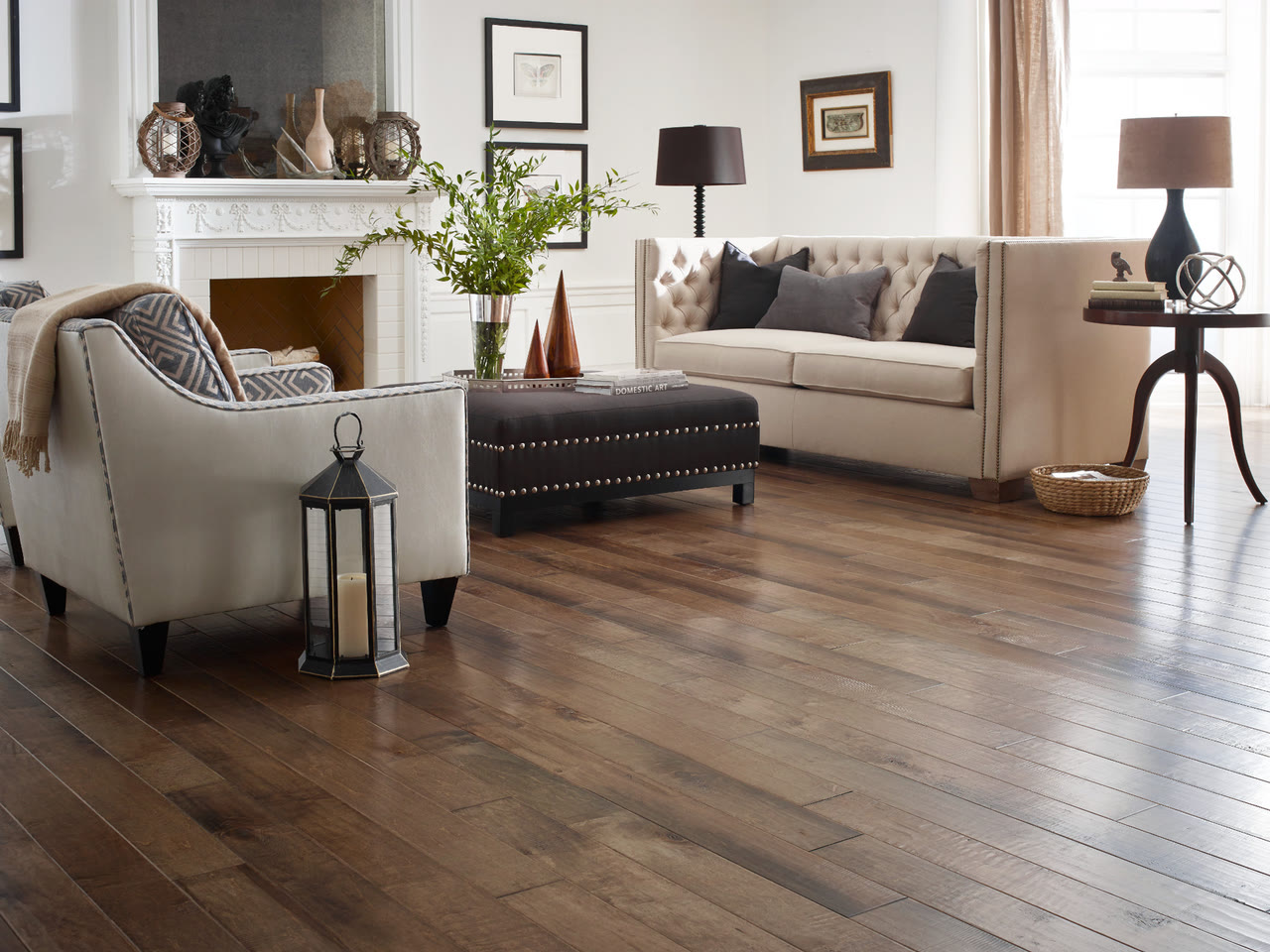
Maple
Maple can give a clean, light look, but it is not the best choice when the customer expects easy color changes later because it can be more difficult to stain evenly.
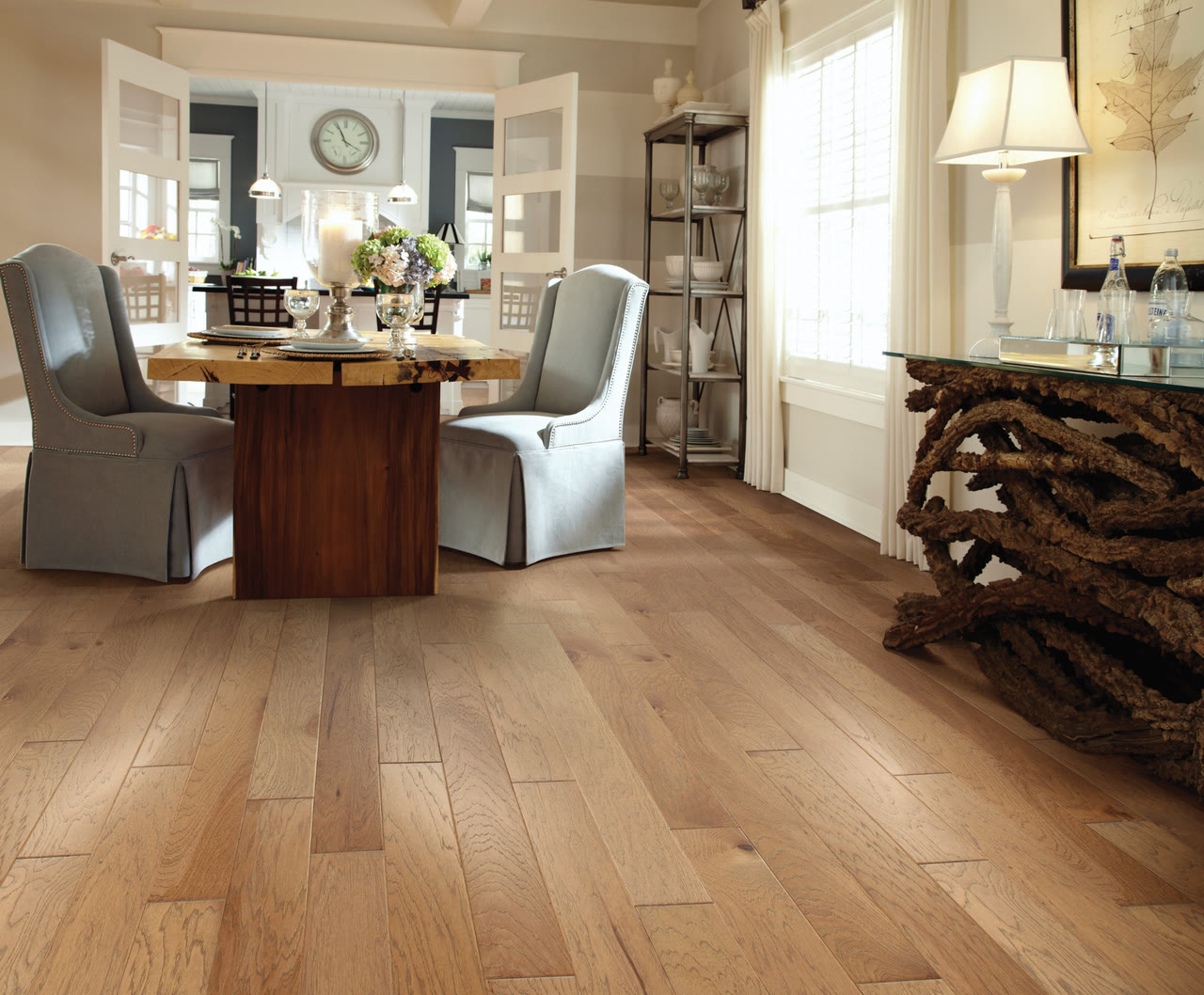
Hickory
Hickory has bold grain and dramatic natural color variation. It is best for customers who want a rustic, high-character floor rather than a uniform custom look.
Walnut
Walnut is chosen for its naturally rich, dark luxury tone. It can be refinished, but it does not offer the same future color-change flexibility as oak.
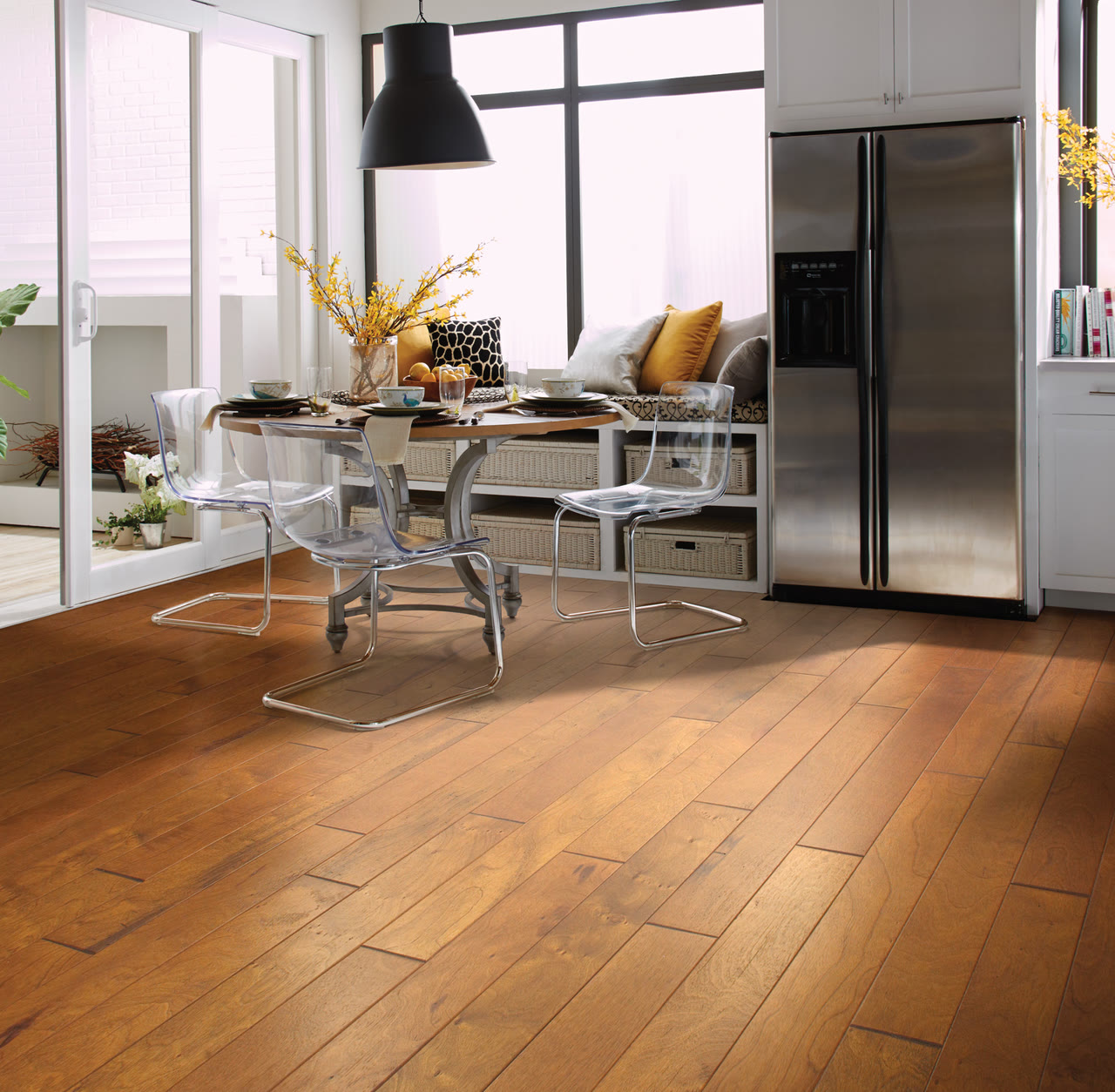
Exotic Hardwood Family
Exotic species can be beautiful and dramatic, but they should be selected because the customer wants that bold natural color and character, not because they want easy future stain changes.
How Royal Helps You Choose
The best species is chosen around the home, not just a showroom sample.
Species choice should connect to your design goals, installation method, future refinishing plans, and the way the home changes through Midwest seasons.
-
01
Start with the home, not just the sample
Royal reviews your light, cabinets, trim, stairs, wall colors, and existing floors before narrowing down species options.
-
02
Decide how much future flexibility matters
If future sanding, staining, and color change matters, oak-family hardwood is usually the safest starting point.
-
03
Compare clean look versus natural character
White oak and Select & Better oak can look cleaner. Hickory, walnut, and exotic species create stronger natural character.
-
04
Review solid or engineered construction
Species is only one decision. Royal also helps compare solid versus engineered hardwood based on room location and project needs.
-
05
Plan prefinished or site-finished appearance
If the customer wants the most custom color and finish control, unfinished oak sanded and stained on site is often the stronger direction.
-
06
Get a complete installed quote
Royal measures the rooms, reviews furniture, removal, subfloor prep, transitions, stairs, and provides a complete installed estimate.
Midwest Climate Note
Royal does not currently carry bamboo and does not position it as hardwood.
Bamboo is a grass-based flooring product. Because Chicago-area homes can face dry heated winters and humid summers, Royal generally recommends traditional hardwood species like red oak and white oak for better long-term serviceability and refinishing flexibility.
Quick Answers
Hardwood species questions homeowners ask first.
Straight answers about oak, maple, hickory, walnut, exotic hardwoods, bamboo, future refinishing, stain flexibility, and choosing the right species for a Midwest home.
What is the best hardwood species for most homes?
For many homeowners, red oak or white oak is the best starting point because oak offers a strong balance of durability, appearance, long-term value, and future refinishing flexibility.
Why does Royal often recommend the oak family?
Oak usually accepts stain more predictably than many other species, gives homeowners more color-change options later, and remains one of the most practical hardwood choices for Midwest homes.
Is white oak better than red oak?
Neither is automatically better. White oak is often chosen for a cleaner, modern, neutral look. Red oak is often chosen for a warmer, traditional hardwood appearance. Royal helps compare both in your home.
Can maple hardwood be stained?
Maple can be stained, but it can be more difficult to stain evenly than oak. It is usually better for customers who like maple’s natural clean look rather than customers who expect easy future color changes.
Can walnut hardwood be changed to a lighter color later?
Walnut is naturally rich and dark. It can be refinished, but it does not provide the same color-change flexibility as oak and should be chosen because the customer wants walnut’s natural look.
Are exotic hardwoods a good choice?
Exotic hardwoods can be beautiful, but they usually have a stronger natural color and character. They should be chosen intentionally, not as the best option for future stain flexibility.
Is bamboo hardwood?
No. Bamboo is a grass-based flooring product, not a true hardwood species. Royal does not currently carry bamboo and generally recommends traditional hardwood species for better long-term serviceability in Midwest homes.
What species should I choose if I may refinish later?
If future refinishing and color changes matter, red oak and white oak are usually the safest choices to review first.
Ready to Choose Hardwood?
Book your free hardwood species consultation.
Royal brings hardwood samples to your home, compares species, explains red oak versus white oak, reviews future refinishing goals, measures your rooms, and provides a complete installed quote.