
Hardwood Repair Guidance
Squeaky hardwood floors usually mean movement below.
Screws or nails from the top may help a small spot, but serious squeaking often comes from sleepers, subfloor movement, or a floor system that needs to be corrected.
Explore Hardwood Refinishing
Restore, repair, or replace with confidence.
Learn when refinishing works, how the process feels, and when deeper repair may be better.
What The Squeak Means
The sound is usually movement under the floor.
Squeaking can come from loose boards, subfloor movement, gaps, sleepers, fasteners, or structural movement. The correct fix depends on where the movement is actually happening.
Movement causes noise
A squeak usually happens when wood, fasteners, sleepers, or subfloor materials move against each other.
Top fixes are limited
Adding screws or nails from above may not solve the issue if the movement is below the finished floor.
Subfloor matters
A stable plywood subfloor is often the key to a quieter and stronger hardwood installation.
Replacement may be required
If the squeaking is severe or widespread, replacement and subfloor correction may be the better long-term solution.
Why Surface Fixes Fail
Sometimes the real repair is below the hardwood.
When hardwood is installed over an unstable sleeper system, the floor can keep squeaking because the movement is hidden underneath. A stronger plywood subfloor can be the better foundation.
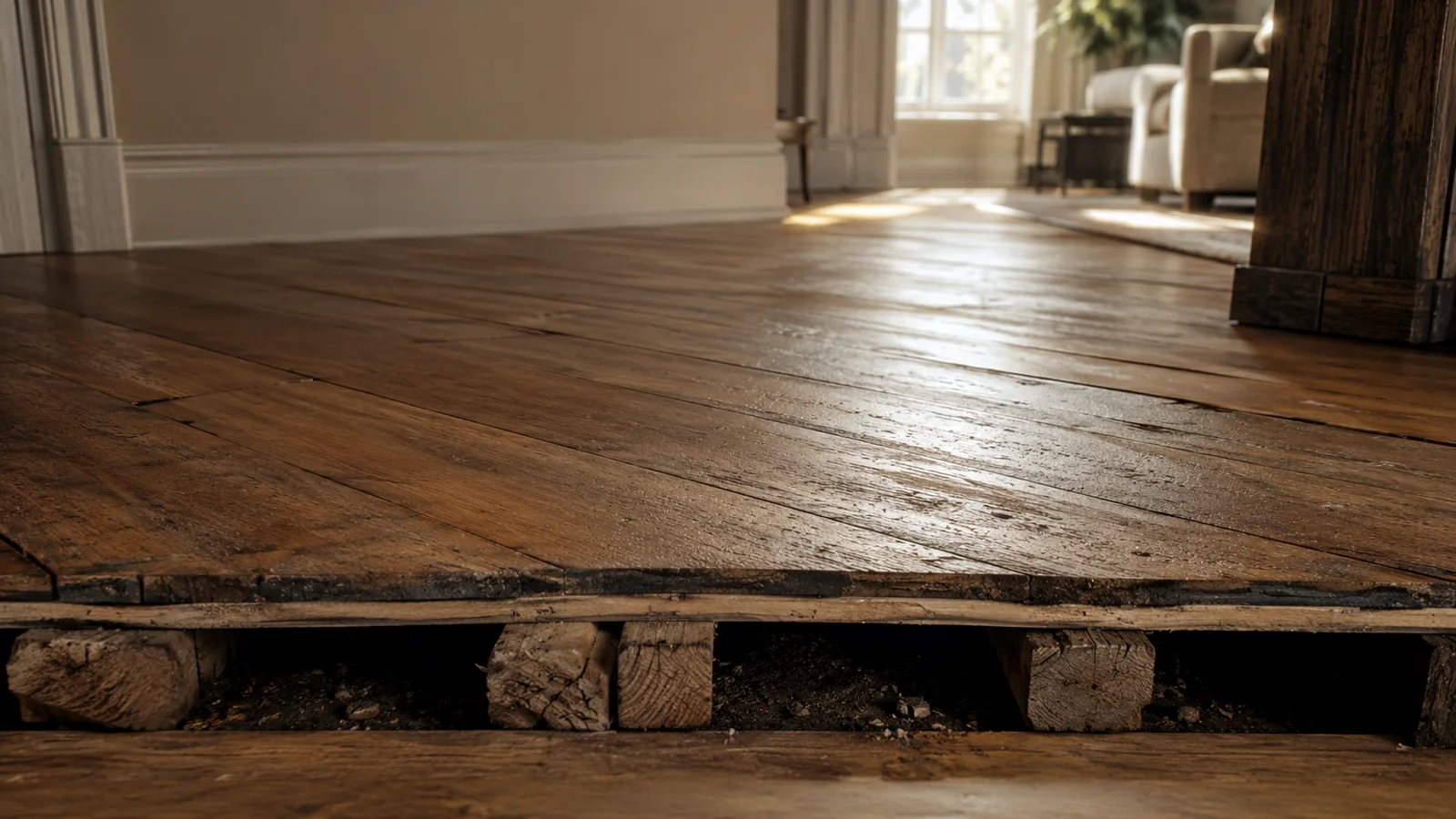
The top can look normal while the floor moves underneath.
Hardwood installed over sleepers can hide the real problem. From above, the floor may look finished, but movement below can create squeaks.
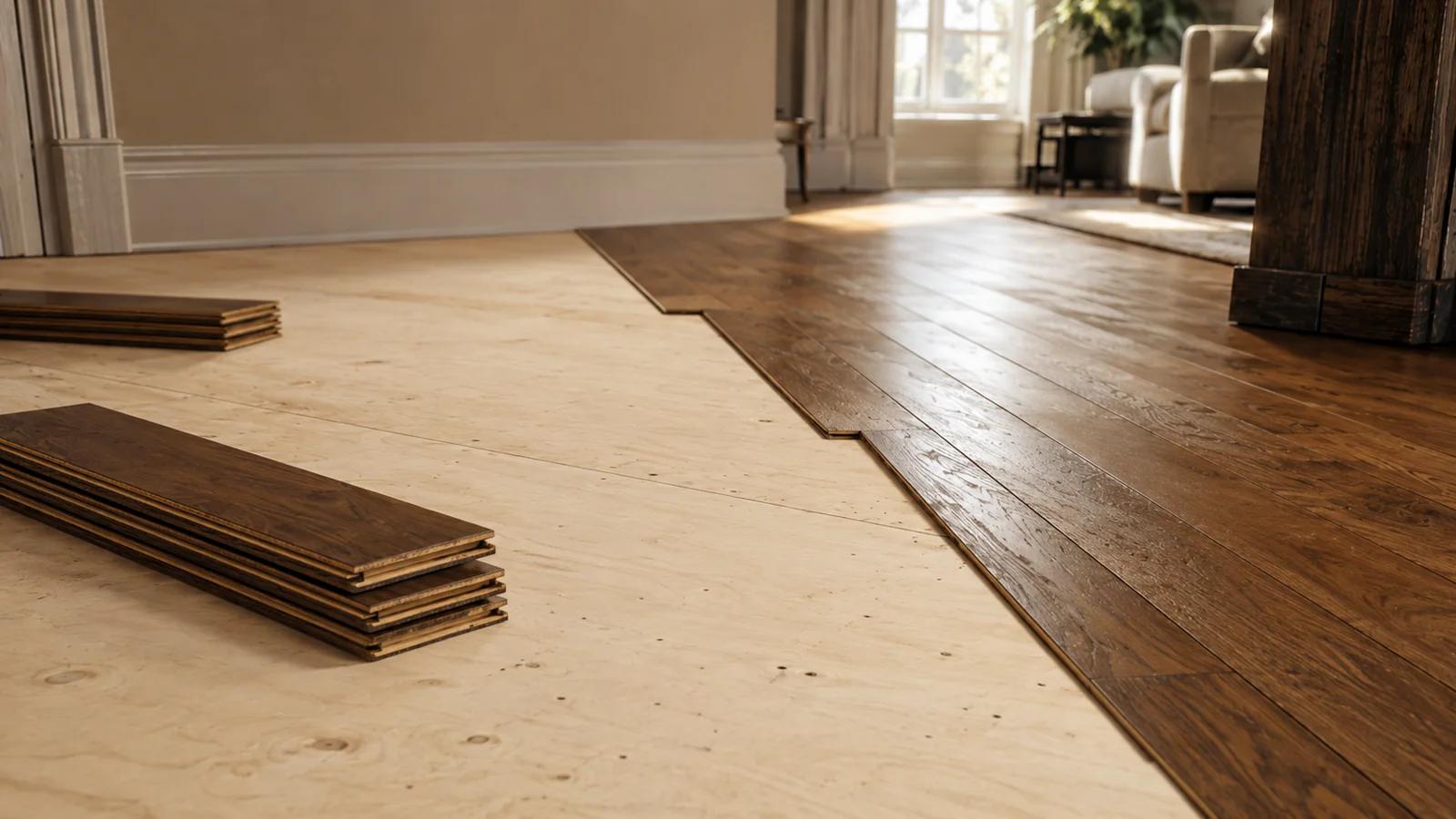
Sleepers are removed and plywood is installed.
When the sleeper system is the issue, the better long-term fix may be removing it and building a stable plywood subfloor.
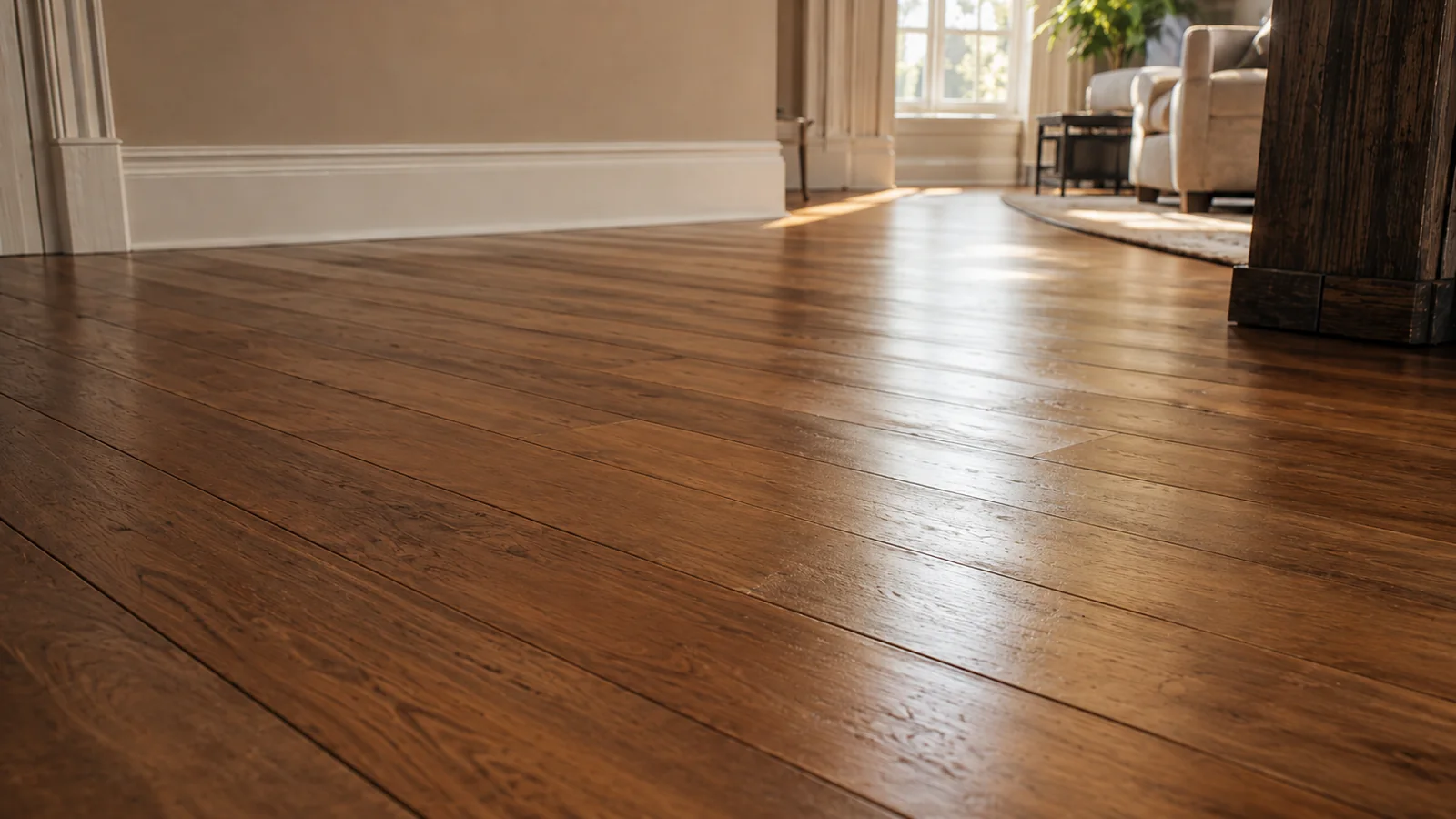
New hardwood is installed over a stronger plywood subfloor.
A solid plywood base gives the new hardwood better support and helps reduce movement that causes recurring squeaks.
Real Fixes
Surface screws are not always a real repair.
If the squeak is severe, the floor may need to be opened so the structure underneath can be corrected properly.
- Small isolated squeaks may have a limited repair option.
- Widespread squeaking often means movement below the hardwood.
- Older sleeper systems can create recurring noise and movement.
- Severe issues may require removing hardwood and rebuilding the subfloor correctly.
What Royal Checks
The recommendation depends on the cause.
Royal reviews the condition of the hardwood, subfloor, movement pattern, and installation method before suggesting a repair, replacement, or subfloor correction path.
Where it squeaks
One noisy spot is different from an entire room, hallway, or second floor moving underfoot.
Floor movement
Visible flexing usually points to a deeper support issue, not just a loose finish nail.
Subfloor type
Sleepers, plywood, old plank subfloors, and concrete assemblies all require different repair thinking.
Floor condition
Thin, damaged, loose, or heavily patched hardwood may not be worth small surface repairs.
Common Questions
Straight answers before you decide.
These short answers help homeowners understand the right path before scheduling an estimate.
Can screws stop squeaky hardwood floors?
Sometimes screws can reduce a small localized squeak, but they usually do not solve major movement coming from the subfloor, sleepers, or the structure below.
Why do hardwood floors squeak?
Most squeaks come from movement: boards rubbing, fasteners moving, subfloor gaps, loose material, old sleepers, or structural flexing below the finished floor.
What are sleepers under hardwood floors?
Sleepers are wood supports installed under some hardwood systems. When they move, loosen, or create gaps, the finished hardwood above can squeak or flex.
Does severe squeaking mean I need new floors?
Not always, but if the squeaking is widespread and the floor system is moving, replacement and subfloor correction may be the better long-term fix.
Can Royal inspect the floor before deciding?
Yes. A proper recommendation starts with seeing the floor, hearing where it squeaks, and checking how much movement is present.
Ready For Help?
Do not cover up the squeak. Find the cause.
Royal can inspect your hardwood and explain whether the issue is repairable from the surface or needs a deeper replacement and subfloor correction approach.